Project
SMD prototyping bench: hand-soldering surface-mount boards
Tools for hand-assembling surface-mount prototypes: a C210 precision iron, fine tips, flux and thin solder, tweezers, and when hot air and a microscope pay off.
We may earn a commission if you buy through links on this page. How we make money
Short answer
Hand-assembling surface-mount prototypes takes a precision iron (C210, or C245 if you also solder larger parts), fine and small chisel or bevel tips, flux, thin solder and good tweezers. Hot air or a hot plate and a microscope become worth it as parts shrink or hide their pads underneath. Flux-heavy work makes fume extraction important.
What fitsAll 6 items that fit
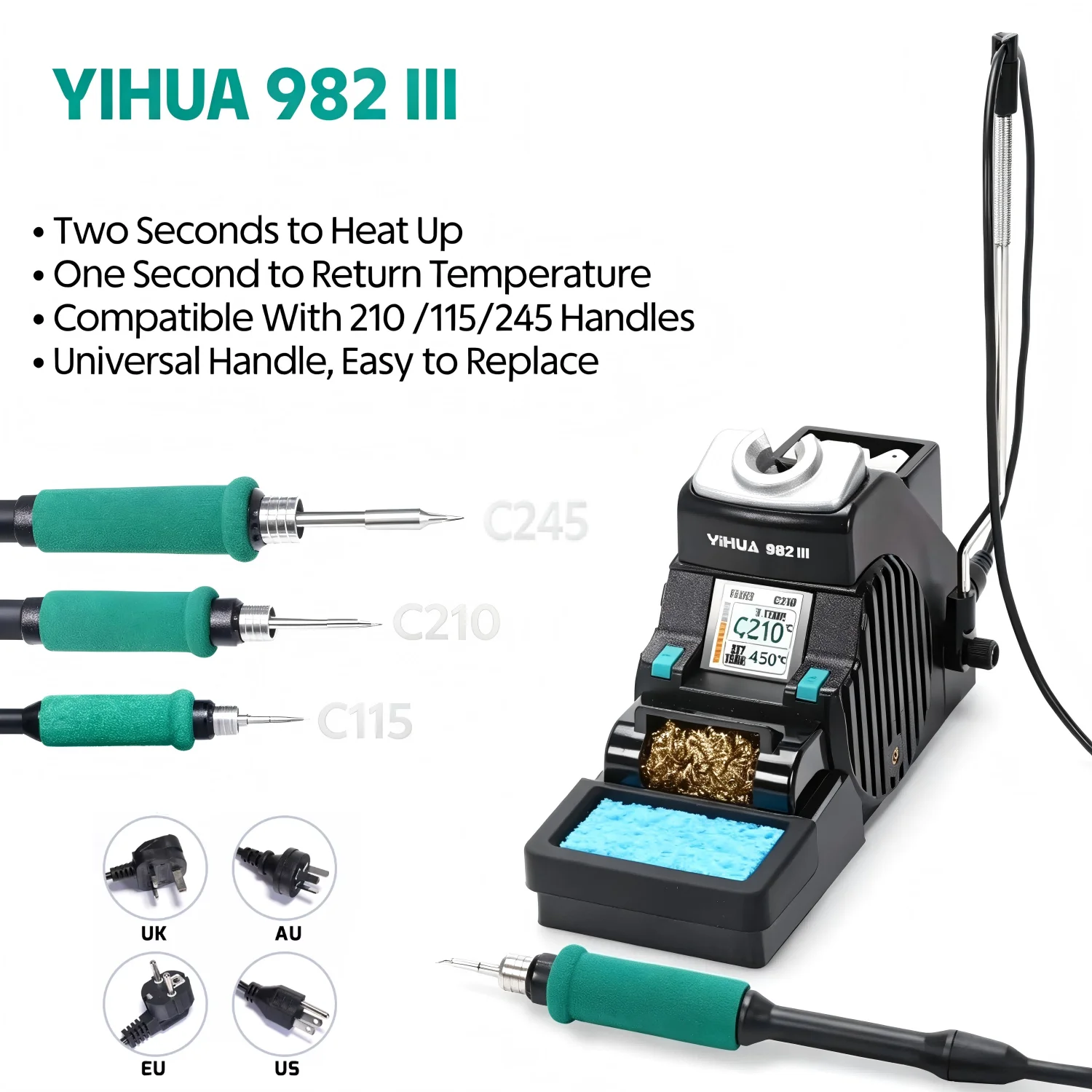 Precision station (C210)YIHUA 982‑III precision soldering station (C115/C210/C245)Image: AliExpressCheck price on AliExpress
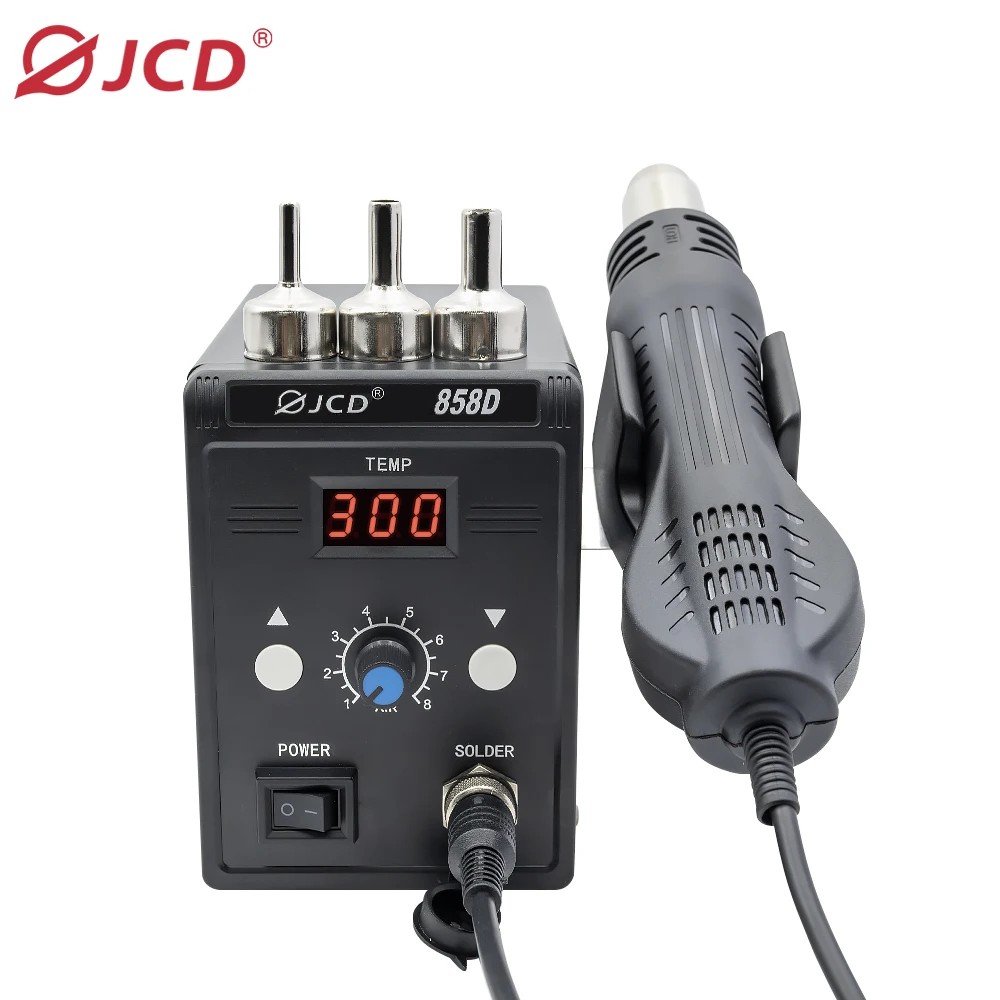 Hot-air station (upgrade)JCD 858D 700 W hot-air rework stationImage: AliExpressCheck price on AliExpress
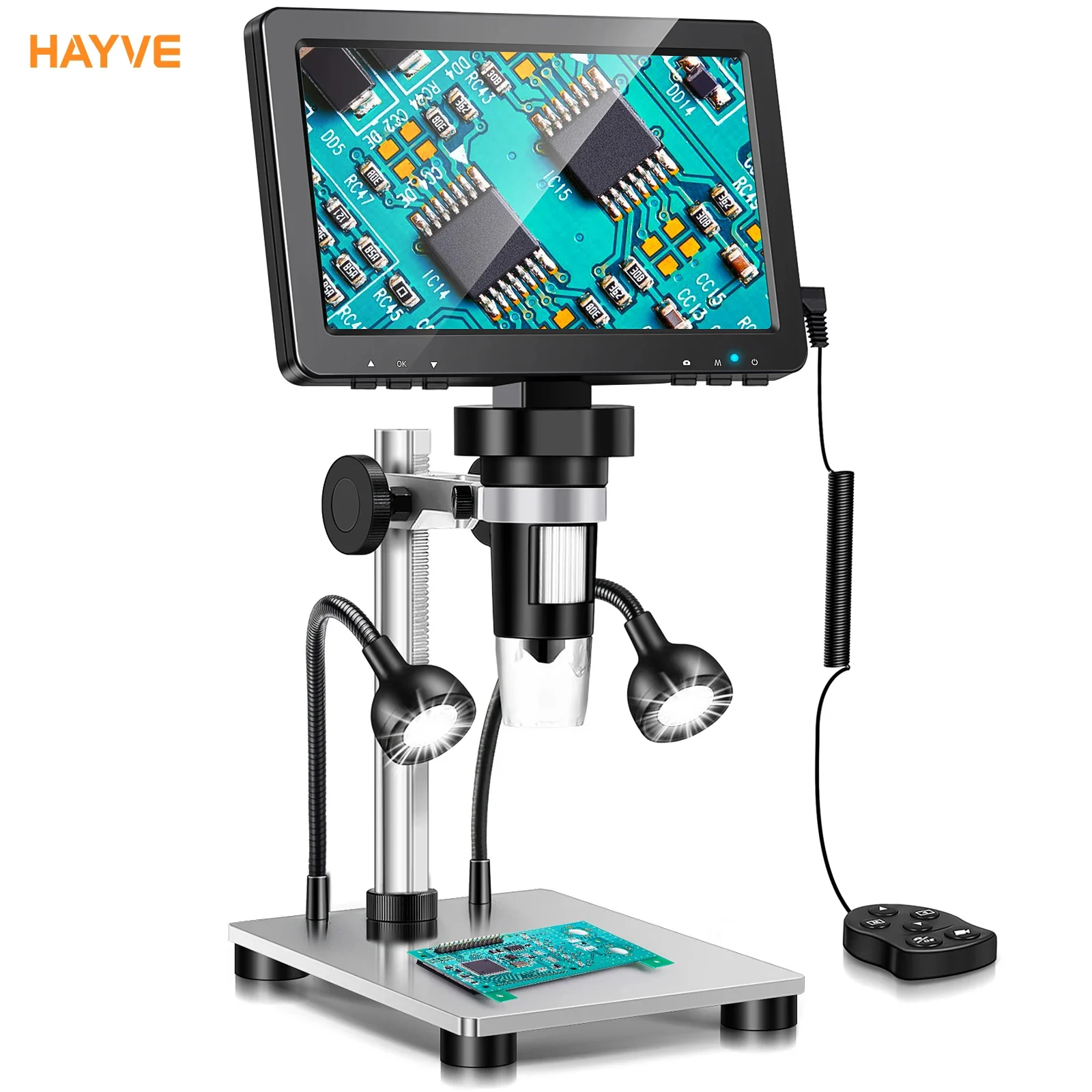 Digital microscope (upgrade)Hayve 7‑inch 1200X digital microscope (DM9)Image: AliExpressCheck price on AliExpress
Key facts
- Suggested tip system
- C210, or C245 if you also solder larger parts[1][2]Our suggestion: JBC positions C210 for small SMD parts under magnification and C245 for both SMD work and high-power jobs.
- Key safety step
- Capture flux fume at the source[3]HSE says rosin-based solder flux fume is a top cause of occupational asthma, advises extraction and keeping your head out of the plume, and suggests considering fluxes without rosin.
Watch out for
- Lead-free needs more heat. Kester lists SAC305 at 217-220°C against 183°C for 63/37, and Adafruit suggests about 400°C for lead-free versus 370°C for 60/40 on a temperature-controlled iron.
- Know your flux's cleanup. SparkFun says no-clean residue does not need removing, but water-soluble flux residue must be cleaned off the board.
- Fine tips heat slowly. Adafruit says a fine point suits very small SMD parts; for anything bigger, a small chisel or bevel tip moves heat faster.
- Mind static. ESDA says many components are susceptible to discharges below 100 V; handle bare chips on a grounded mat.
What fits
Product details below are the seller's own description unless a source is shown. Pick the variant named for each item.
Image: AliExpress Precision station (C210)
YIHUA 982‑III precision soldering station (C115/C210/C245)Choose the 982-III C210 set, 120 V US variant.
A YIHUA-branded site lists the 982-III at 110-240 V with a 40 W C210 handle.
Image: AliExpress Hot-air station (upgrade)
JCD 858D 700 W hot-air rework stationChoose the 110 V US-plug variant.
The same listing also sells a 220 V EU version. The seller states 700 W.
Sold by JCD Official Store
Image: AliExpress Digital microscope (upgrade)
Hayve 7‑inch 1200X digital microscope (DM9)Choose the DM9 variant.
Working distance and field of view are not stated on the listing, and 1200X is the seller's figure. Check there is room for the iron under the lens.
Sold by Hayve Official Store on AliExpress
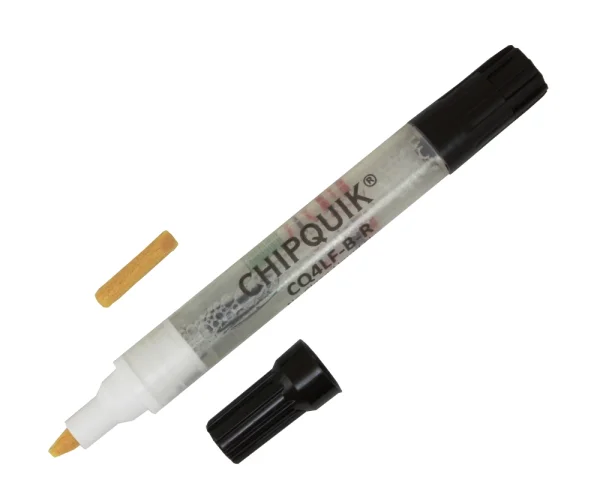
Image: Chip Quik Flux pen
Chip Quik CQ4LF no-clean flux pen, 6 mlChoose the Chip Quik CQ4LF 6 ml no-clean flux pen.
We have not confirmed its J-STD-004 class, so check Chip Quik's data sheet. On Amazon, check that 'Ships from / Sold by' shows Amazon.com or Chip Quik.
ESD mat and wrist strap
iFixit Portable Anti-Static Mat, 24 x 24 in, with wrist strap and grounding cordChoose the iFixit Portable Anti-Static Mat (24 x 24 in, foldable).
Mat, 6 ft wrist strap and grounding wire with a clip. iFixit states the mat's surface resistivity (10^7-10^9 ohms), not its resistance to ground; check the strap cord's resistor marking. On Amazon, check that 'Ships from / Sold by' shows Amazon.com or iFixit.
Smoke absorber (120 V)
Hakko FA‑400 bench smoke absorber (120 V, carbon filter)Choose the FA400-04, Hakko's 120 V North American model.
Hakko's spec table shows a MET Labs mark. Its filter is activated carbon, not HEPA, so keep it close to the joint and ventilate the room. On Amazon, check that 'Ships from / Sold by' shows Amazon.com or Hakko.
Essentials: a C210 or C245 station with a fine conical tip and a small chisel or bevel tip, flux, 0.3-0.5 mm solder, fine tweezers, solder wick and good magnification.
Optional upgrades: a 120 V hot-air station or a reflow hot plate once you use solder paste, stencils for applying the paste, and a stereo or digital microscope.
Questions
Do I need hot air for SMD prototypes?
Not at first. An iron with flux handles most leaded and two-terminal parts; hot air or a hot plate earns its place when you use solder paste or parts with pads underneath.
What solder diameter suits SMD work?
Thin wire, around 0.3-0.5 mm, makes it easier to feed small amounts. Kester sells its 275 no-clean cored wire in diameters from 0.25 mm up.[4]
Which flux should I use for hand-soldered SMD boards?
A no-clean flux is the easiest start: SparkFun says its residue does not need cleaning, while water-soluble flux residue must be removed from the board.[5]