Pick a body surface to see which gauge method can read it, what the reading includes and what to check before you measure or polish, from gauge makers' own documentation.
Magnetic and eddy-current gauges read paint over metal only. On a plastic bumper or fiberglass panel a blank or odd reading is expected; those surfaces need an ultrasonic gauge.
Treating 200 µm as proof of a repaint
Published 'normal' ranges differ by source and market, and factories sometimes repaint. Compare panels and mirrored spots instead: a gauge shows thickness, not the cause.
Assuming any 18 V battery fits
A battery fits a platform, not a voltage number. Even one maker can use different 18 V packs for different tools. Use the tool maker's own packs and charger.
Believing a dual-action polisher cannot burn paint
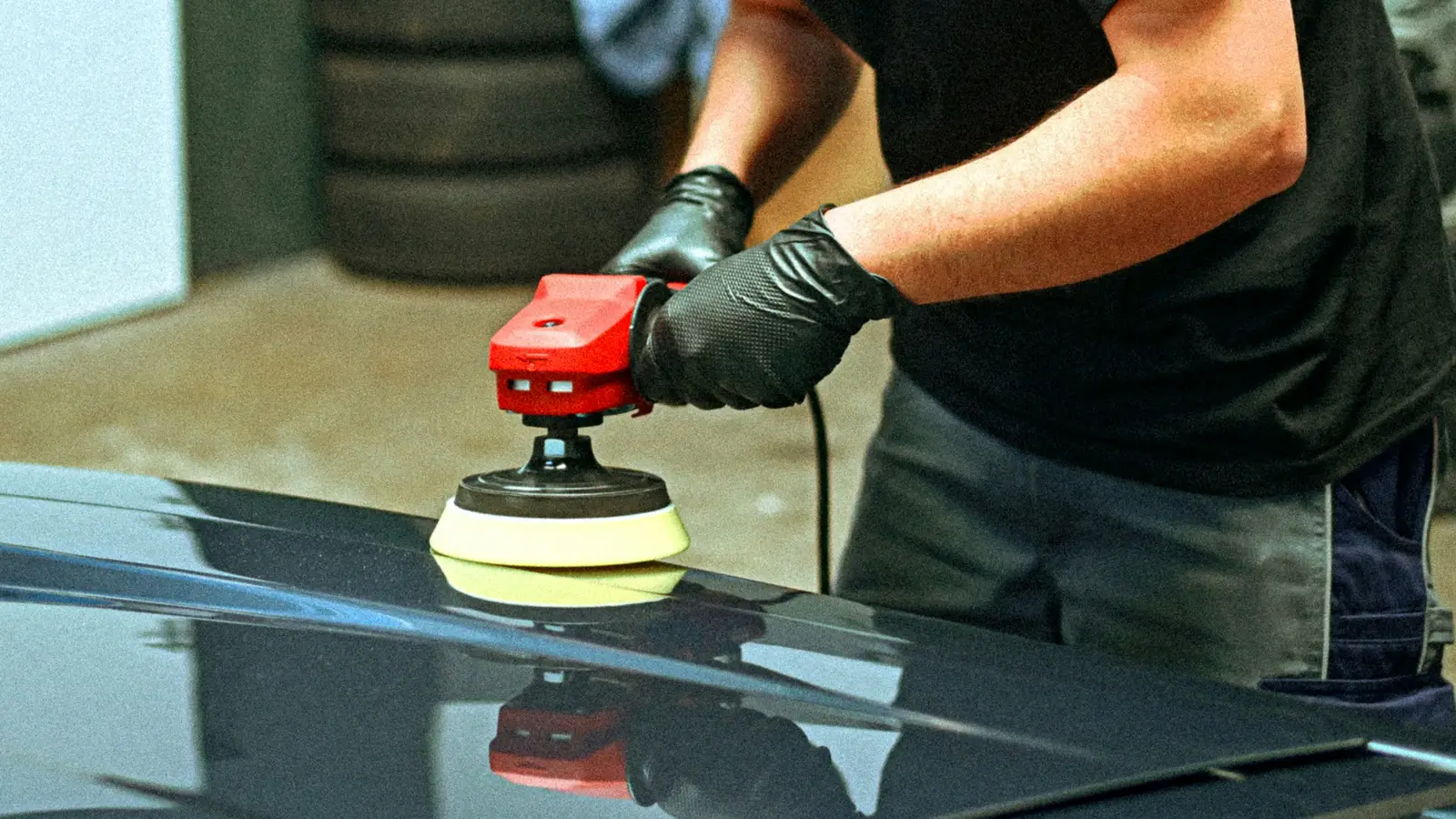
Maker manuals warn that too much pressure, the wrong angle or improper motion can still cause swirl marks or burning. A dual-action machine is more forgiving, not foolproof.
We explain what paint gauges and polishers can do using the makers' own specifications and manuals, certifiers and regulators, and a few named independent sources with their dates. We list only exact models, corded tools only with a maker-stated North American voltage, and we say plainly when we could not tie a seller to the brand. A gauge reading is never presented as proof of a repaint. Nothing here has been tested by us, and we do not cover chemicals or liquids.